How Community Cleanliness Initiatives Can Improve Public Health and Education
Unsafe sanitation contributes to disease transmission and disrupts learning environments, especially in densely populated communities. The World Health Organization reports that poor hygiene and inadequate sanitation are linked to the spread of infections such as diarrhea and respiratory illnesses, which remain leading causes of school absenteeism worldwide. Clean surroundings, therefore, play a direct role in both public health and consistent education.
Community-led initiatives have emerged as a practical response to this challenge. Local partnerships, including efforts supported by organizations like Al Masa Jeddah cleaning, show how businesses can work alongside schools, mosques, and civic groups to promote sanitation awareness. These collaborations often involve organized clean-up drives, waste management education, and hygiene campaigns that reach both children and adults. By combining resources and local knowledge, such efforts create a stronger and more sustainable impact.
The Link Between Cleanliness and Public Health
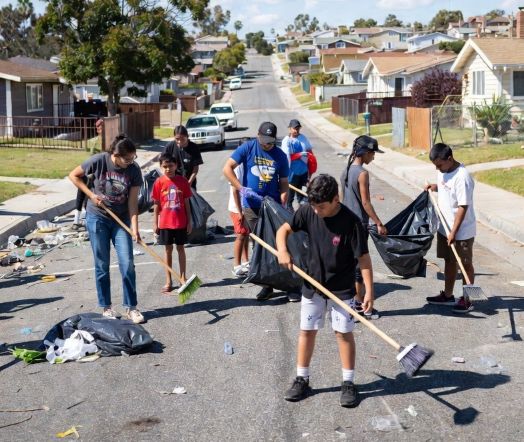 Research consistently shows that cleaner environments reduce the risk of infectious diseases. Data from UNICEF indicates that proper sanitation and hygiene practices can lower diarrheal disease cases by up to 30 percent. This reduction has a ripple effect. Fewer illnesses mean less strain on healthcare systems and more stable daily routines for families.
Despite the importance of infrastructure, behavior plays an equally critical role. Regular handwashing, proper waste disposal, and clean communal spaces are habits that must be learned and reinforced. Community clean-up programs help normalize these behaviors. When people see their neighbors participating, they are more likely to adopt similar practices.
How Partnerships Strengthen Sanitation Awareness
Effective cleanliness campaigns rarely succeed in isolation. Partnerships between businesses, local leaders, and educational institutions bring together expertise and influence. For instance, schools can integrate hygiene lessons into their curriculum, while local organizations provide tools and volunteers for community efforts.
Experts at the Centers for Disease Control and Prevention note that community engagement increases the success of public health interventions. When residents feel ownership over cleanliness initiatives, they are more invested in maintaining results. This sense of shared responsibility often leads to long-term improvements rather than short-lived campaigns.
Professional cleaning service providers also contribute valuable technical knowledge. Their experience in sanitation standards, waste management systems, and disinfection methods ensures that community efforts are both safe and effective. Over time, this guidance helps raise the overall standard of cleanliness across neighborhoods.
Teaching Responsibility Through Clean-Up Initiatives
Cleanliness programs do more than improve physical spaces. They also serve as powerful educational tools. Children who participate in school or community clean-up drives learn responsibility, teamwork, and environmental awareness. These lessons often extend beyond the classroom.
Studies from UNESCO highlight that experiential learning, where students actively engage in real-world activities, improves retention and understanding. Broader research on how foundations empower communities through education shows that combining practical experiences with structured support helps learners develop both knowledge and social responsibility. When children take part in maintaining their surroundings, they begin to understand the consequences of neglect and the value of collective effort.
These experiences also foster civic engagement. Young participants develop a sense of pride in their community and are more likely to contribute positively as they grow older. Over time, this builds a culture where cleanliness is seen as a shared duty rather than an individual task.
Cleaner Spaces, Better Learning Conditions
The condition of a learning environment has a direct effect on student performance. Research from the World Bank shows that clean and well-maintained schools are associated with higher attendance rates and improved concentration. Students are less distracted and more comfortable in tidy, organized spaces.
Teachers also benefit. A clean classroom reduces health risks and creates a more productive teaching environment. This stability allows educators to focus on delivering lessons rather than addressing preventable disruptions caused by poor sanitation.
Community cleanliness initiatives often extend their reach to schools by improving facilities such as restrooms, waste disposal systems, and common areas. These improvements create a supportive environment where both students and teachers can thrive.
The Role of Businesses in Supporting Community Efforts
Private sector involvement adds momentum to local initiatives. Companies that specialize in sanitation and maintenance services often provide equipment, training, and logistical support. Their participation can elevate the quality and consistency of clean-up efforts.
Beyond direct involvement, businesses can support awareness campaigns and sponsor educational programs. This approach helps bridge the gap between professional expertise and community action. It also reinforces the idea that maintaining clean environments is a shared responsibility across sectors.
Many sanitation-focused companies have expanded their role to include charitable initiatives. By working with local institutions, they help deliver resources to underserved areas and promote long-term behavioral change. This blend of service and social responsibility strengthens community resilience.
Looking Ahead: Building Sustainable Habits
Long-term success depends on consistency and education. While one-time clean-up drives can make an immediate difference, sustainable change requires ongoing effort. Communities that invest in regular programs, supported by local partners and sanitation service providers, tend to see lasting improvements.
These challenges underscore the need for continued collaboration. When schools, businesses, and residents work together, they create an environment where cleanliness becomes part of daily life. Over time, this collective effort leads to healthier populations and stronger educational outcomes.
Clean environments support more than appearance. They shape health, influence behavior, and improve opportunities for learning. By encouraging partnerships and promoting awareness, communities can build a future where sanitation is not a challenge, but a shared standard upheld by everyone involved.