Learning Hubs: Changing Education by Bringing It Closer to Home
There are small community learning centers that are becoming available as alternative schools in remote areas. These hubs can often offer children and adults basic literacy, numeracy, and life skills development. They are local and minimize distance and transport barriers.
Volunteer Educators Filling Critical Gaps
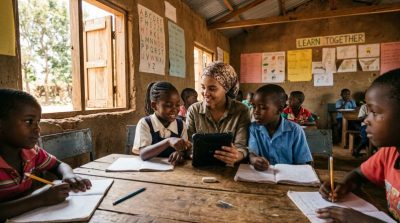 Volunteers are essential to many educational programs, providing time and expertise for teaching. These people usually have a range of skills that enhance classroom experiences. Teachers are assisted by their involvement to combat teacher shortages in these high-need areas.
Technology to Support Remote Learning Access
Digital tools are being used more and more to provide lessons in locations where education is not robustly built out. Mobile devices and offline learning platforms enable students to learn outside of the classroom. This is an extension of learning outside the classroom.
Increased Community Ownership Strengthening Program Success
If the local community is involved and owns education initiatives, results are likely to be much better. Parents, leaders, and organisations collaborate with students and help to keep learning environments safe. Shared responsibility contributes to program sustainability.
End Notes
The community-led education programs are growing and extending educational opportunities in the underserved areas. These efforts, which are being shared at grassroots levels through volunteer support and digital platforms, are filling the educational voids. Long-term sustainability and impact through strong community involvement. These programs will become more prevalent and will be instrumental in helping to create a more equitable future in education.